
Finglish:
Sara hamrāh-e khānevāde-ash be Irān āmad. Vaghti be foroodgāh-e Tehrān residand, mādarbozorg bā labkhandi ziba va bāzuhāye bāz montazerashān bood. Ou Sara rā dar āghush gereft va goft: “Khosh āmadi azizam! Kheili delam barāyat tang shode bood.” Foroodgāh sholugh va por-hayāho bood, ammā didan-e mādarbozorg hame chiz rā ārām va shirin kard. Khānevāde savār-e māshin shodand va be khāneh-ye mādarbozorg va pedarbozorg dar Tehrān raftand.
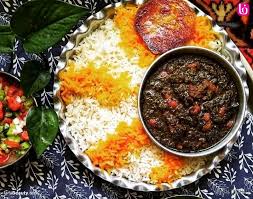
Vaghti be khāneh residand, dar bāz shod va buye khosh-e ghormeh sabzi va berenj-e zafranī tamām kuche rā por kard. Mādarbozorg az sobh-e zud ghormeh sabzi rā dar ghāblame pokhte bood — khorshti khosh-‘atr bā sabzi, lubiyā qermez, gusht-e gusfand va limoo ‘omāni ke bā berenj-e Irāni va tahdig-e tord serv mishavad. Ghormeh sabzi + berenj = ta’m-e asil-ye khāneh-ye Irāni.
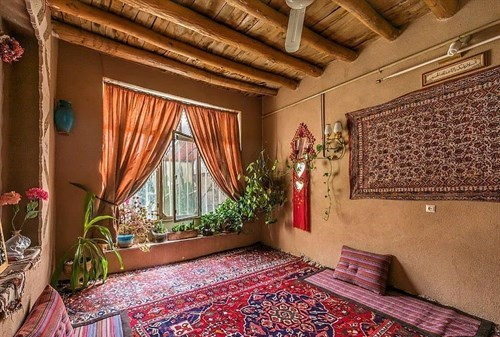
Dākhel-e khāneh, kaf-e otāgh-e neshiman bā farsh-e dastbāf pushide shode bood. Hame ruye poshti-hā kenār-e sofreh neshaste boodand. Ruye sofreh boshghābhā, ghāshogh-hā, kāseh-hā va yek dis-e bozorg berenj chide shode bood. Livān-hāye shishe-i va kāseh-hāye māst ham kenār-e har boshghāb bood.
Pedarbozorg bā labkhand jelo āmad, Sara rā baghal kard va goft: “Khosh umadi aziz-e delam! Jat kheili khāli bood.” Sara be āshpazkhāneh raft va be mādarbozorg dar āmāde kardan-e salād-e shirāzi komak kard: khiār, gojeh, piyāz, āb-limoo va kami na’nā’-e khoshk. Ou yād gereft ke chegoone az tābeh, ghāvlame, kafgir va sini dar āshpazkhāneh estefāde konad. Salād-e shirāzi: tarkibi sāde vali khoshmaze.
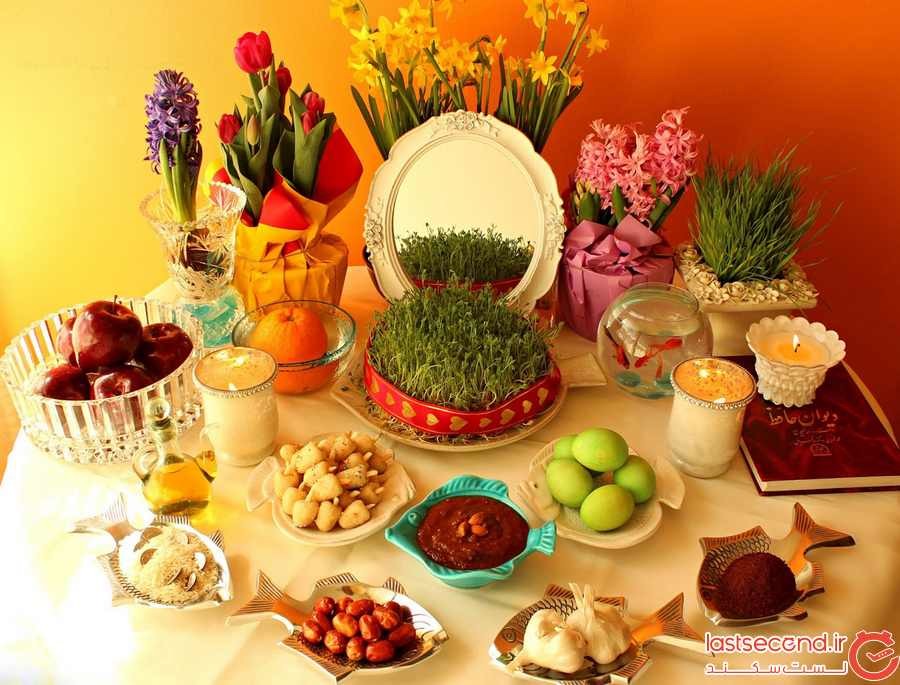
Ba’d az nāhār, hame be otāgh-e pazirāyi raftand. Ruye miz-e chāy, estekān-hāye chāy, ghori va shirini-hāye sonnati mesle nān berenji, bāqlavā va qottāb bood. Pedarbozorg bā sini-e chāy āmad va barāye hame chāy rikht. Ou darbāre-ye Nowruz va Haft Sin sohbat kard: sabzeh, senjed, sir, sib, serkeh, somāq va sekkeh. Sara bā deqqat gush dād. Barāyash jāleb bood ke dar farhang-e Irāni hame chiz bā eshgh, khānevāde va ghazā amikhte ast.
Shab, mādarbozorg Sara rā be otāgh-e khāb-e mehmān bord. Sara ruye toshak kenār-e panjare derāz keshid. Az panjare mitavānest cherāgh-hāye Tehrān rā bebinad. Mādarbozorg āmad, ruyeš rā bā pato pushānd va goft: “Shab bekheyr azizam.” Sara labkhand zad va bā del-garm va khāterāt-e shirīn be khāb raft.
English:
Sara came to Iran with her family. When they arrived at Tehran airport, grandmother was waiting with a smile and open arms. She hugged Sara and said, “Welcome, my dear! I missed you so much.” The airport was busy and noisy, but seeing grandmother made everything calm and sweet. The family got in the car and went to grandmother and grandfather’s house in Tehran.
When they arrived at the house, the door opened and the smell of delicious Ghormeh Sabzi and saffron rice filled the whole street. Grandmother had cooked Ghormeh Sabzi since early morning in a pot — a fragrant stew with herbs, red beans, lamb meat, and dried limes, serve with Iranian rice and crispy tahdig. Ghormeh Sabzi + rice = the authentic taste of an Iranian home.
Inside the house, the floor of the living room was covered with a hand-woven carpet. Everyone was sitting on cushions near the sofreh (tablecloth). On the sofreh, there were plates, spoons, bowls, and a big serving platter of rice. Glass cups and bowls of yogurt were also beside every plate.
Grandfather came forward smiling, hugged Sara, and said, “Welcome, my dear! We missed you so much.” Sara went to the kitchen and helped grandmother prepare Shirazi salad: cucumber, tomato, onion, lemon juice, and a little dried mint. She learned how to use the pan, pot, ladle, and tray in the kitchen. Shirazi salad: a simple but delicious combination.
After lunch, everyone went to the reception room. On the tea table, there were tea glasses (slim-waisted glasses), a teapot, and traditional sweets like rice cookies, baklava, and qottab. Grandfather entered with a tea tray and poured tea for everyone. He began talking about Nowruz and the Haft Sin: Sabzeh, Senjed, Sir, Sib, Serkeh, Somāq, and Sekkeh. Sara listened carefully. She found it interesting how in Iranian culture everything is mixed with love, family, and food.
Persian:
سارا همراه خانوادهاش به ایران آمد. وقتی به فرودگاه تهران رسیدند، مادربزرگ با لبخندی زیبا و آغوشی باز منتظرشان بود. او سارا را در آغوش گرفت و گفت: «خوش آمدی عزیزم! خیلی دلم برات تنگ شده بود.» فرودگاه شلوغ و پرهیاهو بود، اما دیدن مادربزرگ همه چیز را آرام و شیرین کرد. خانواده سوار ماشین شدند و به خانهی مادربزرگ و پدربزرگ در تهران رفتند.
وقتی به خانه رسیدند، در باز شد و بوی خوشِ قورمهسبزی و برنج زعفرانی تمام کوچه را پر کرده بود. مادربزرگ از صبح زود قورمهسبزی را در قابلمه پخته بود — خورشتی خوشعطر با سبزی، لوبیای قرمز، گوشت گوسفند و لیمو عمانی که با برنج ایرانی و تهدیگ ترد سرو می شود. قورمهسبزی + برنج = طعم اصیل خانهی ایرانی!
داخل خانه، کف اتاق نشیمن با فرش دستباف پوشیده شده بود. همه روی پشتیها کنار سفره نشسته بودند. روی سفره، بشقابها، قاشقها، کاسهها و یک دیس بزرگ برنج چیده شده بود. لیوانهای شیشهای و کاسههای ماست هم کنار هر بشقاب قرار داشتند.
پدربزرگ با لبخند جلو آمد، سارا را بغل کرد و گفت: «خوش اومدی عزیز دلم! جات خیلی خالی بود.» سارا به آشپزخانه رفت و در آماده کردن سالاد شیرازی به مادربزرگ کمک کرد: خیار، گوجه، پیاز، آبلیمو و کمی نعناع خشک. او یاد گرفت که چگونه از تابه، قابلمه، کفگیر و سینی در آشپزخانه استفاده کند. سالاد شیرازی: ترکیبی ساده ولی خوشمزه.
بعد از ناهار، همه به اتاق پذیرایی رفتند. روی میز چای، استکانهای چای، قوری و شیرینیهای سنتی مثل نانبرنجی، باقلوا و قطاب بود. پدربزرگ با سینی چای آمد و برای همه چای ریخت. او دربارهی نوروز و هفتسین صحبت کرد: سبزه، سنجد، سیر، سیب، سرکه، سماق و سکه. سارا با دقت گوش داد. برایش جالب بود که در فرهنگ ایرانی همه چیز با عشق، خانواده و غذا آمیخته است.
شب، مادربزرگ سارا را به اتاق خواب مهمان برد. سارا روی تشک کنار پنجره دراز کشید. از پنجره میتوانست چراغهای تهران را ببیند. مادربزرگ آمد، رویش را با پتو پوشاند و گفت: «شببهخیر عزیزم.» سارا لبخند زد و با دلی گرم و خاطراتی شیرین به خواب رفت.
Vocabulary:
| Finglish | English | Persian |
|---|---|---|
| Sara | (a name) | سارا |
| khānevāde | family | خانواده |
| Irān | Iran | ایران |
| foroodgāh | airport | فرودگاه |
| Tehrān | Tehran | تهران |
| mādarbozorg | grandmother | مادربزرگ |
| labkhand | smile | لبخند |
| bāzuhā | arms | بازوها |
| āghush | embrace | آغوش |
| del | heart | دل |
| chiz | thing | چیز |
| māshin | car | ماشین |
| pedarbozorg | grandfather | پدربزرگ |
| khāneh | house/home | خانه |
| bu | smell | بو |
| ghormeh sabzi | herb stew | قورمهسبزی |
| berenj | rice | برنج |
| zafranī | saffron (adj.) | زعفرانی |
| kuche | alley | کوچه |
| sobh | morning | صبح |
| ghāblame | pot | قابلمه |
| khorsht | stew | خورشت |
| sabzi | herbs | سبزی |
| lubiyā | beans | لوبیا |
| qermez | red | قرمز |
| gusht | meat | گوشت |
| gusfand | lamb | گوسفند |
| limoo | lime | لیمو |
| ‘omāni | Omani (type) | عمانی |
| tahdig | crispy rice bottom | تهدیگ |
| ta’m | taste | طعم |
| asil | authentic | اصیل |
| dākhel | inside | داخل |
| otāgh | room | اتاق |
| neshiman | sitting/living | نشیمن |
| farsh | carpet | فرش |
| dastbāf | handmade | دستباف |
| poshti | cushion | پشتی |
| sofreh | tablecloth (floor) | سفره |
| boshghāb | plate | بشقاب |
| ghāshogh | spoon | قاشق |
| kāseh | bowl | کاسه |
| dis | platter | دیس |
| livān | glass/cup | لیوان |
| shishe | glass (material) | شیشه |
| māst | yogurt | ماست |
| āshpazkhāneh | kitchen | آشپزخانه |
| salād | salad | سالاد |
| khiār | cucumber | خیار |
| gojeh | tomato | گوجه |
| piyāz | onion | پیاز |
| āb-limoo | lemon juice | آبلیمو |
| na’nā’ | mint | نعناع |
| khoshk | dried | خشک |
| tābeh | frying pan | تابه |
| kafgir | skimmer/spatula | کفگیر |
| sini | tray | سینی |
| pazirāyi | reception | پذیرایی |
| miz | table | میز |
| chāy | tea | چای |
| estekān | small glass | استکان |
| ghori | teapot | قوری |
| shirini | sweet/pastry | شیرینی |
| sonnati | traditional | سنتی |
| nān | bread | نان |
| bāqlavā | baklava | باقلوا |
| qottāb | qottab (sweet) | قطاب |
| Nowruz | Persian New Year | نوروز |
| Haft Sin | Haft Sin | هفتسین |
| sabzeh | sprouts | سبزه |
| senjed | oleaster | سنجد |
| sir | garlic | سیر |
| sib | apple | سیب |
| serkeh | vinegar | سرکه |
| somāq | sumac | سماق |
| sekkeh | coin | سکه |
| eshgh | love | عشق |
| khātereh | memory | خاطره |
| shab | night | شب |
| toshak | mattress | تشک |
| panjare | window | پنجره |
| cherāgh | light | چراغ |
| pato | blanket | پتو |
| khāb | sleep | خواب |
🟨 Optional: Meanings of the Core 7 “S” Items
| Persian (فارسی) | Symbolism in English |
|---|---|
| سبزه (Sabzeh) | Rebirth, growth |
| سنجد (Senjed) | Love |
| سیب (Sib) | Beauty and health |
| سیر (Seer) | Medicine and protection |
| سمنو (Samanu) | Strength and power |
| سرکه (Serkeh) | Patience and aging |
| سکه (Sekkeh) | Wealth and prosperity |
1. Question about the trip
Persian: سارا همراه خانوادهاش به کجا آمد؟
Finglish: Sara hamrāh-e khānevāde-ash be kojā āmad?
English: Where did Sara come with her family?
Answer:
Persian: سارا همراه خانوادهاش به ایران آمد.
Finglish: Sara hamrāh-e khānevāde-ash be Irān āmad.
English: Sara came to Iran with her family.
2. Question about the airport
Persian: مادربزرگ کجا منتظر سارا بود؟
Finglish: Mādarbozorg kojā montazer-e Sara bood?
English: Where was grandmother waiting for Sara?
Answer:
Persian: مادربزرگ در فرودگاه تهران منتظر سارا بود.
Finglish: Mādarbozorg dar foroodgāh-e Tehrān montazer-e Sara bood.
English: Grandmother was waiting for Sara at Tehran airport.
3. Question about the food
Persian: مادربزرگ چه غذایی برای سارا پخت؟
Finglish: Mādarbozorg che ghazāyi barāye Sara pokht?
English: What food did grandmother cook for Sara?
Answer:
Persian: مادربزرگ قرمهسبزی پخت.
Finglish: Mādarbozorg ghormeh sabzi pokht.
English: Grandmother cooked Ghormeh Sabzi.
4. Question about the setting
Persian: داخل خانه چه چیزی کف اتاق نشیمن بود؟
Finglish: Dākhel-e khāneh che chizi kaf-e otāgh-e neshiman bood?
English: What was on the floor of the living room inside the house?
Answer:
Persian: کف اتاق نشیمن با فرش دستباف پوشیده شده بود.
Finglish: Kaf-e otāgh-e neshiman bā farsh-e dastbāf pushide shode bood.
English: The floor of the living room was covered with a hand-woven carpet.
5. Question about the meal setup
Persian: چه چیزهایی روی سفره بود؟
Finglish: Che chizhāyi ruye sofreh bood?
English: What things were on the sofreh?
Answer:
Persian: روی سفره بشقاب، قاشق، کاسه و دیس برنج بود.
Finglish: Ruye sofreh boshghāb, ghāshogh, kāseh va dis-e berenj bood.
English: On the sofreh, there were plates, spoons, bowls, and a big serving platter of rice.
6. Question about salad
Persian: سارا در تهیه چه سالادی به مادربزرگ کمک کرد؟
Finglish: Sara dar tahieh-e che sāladī be mādarbozorg komak kard?
English: What salad did Sara help grandmother prepare?
Answer:
Persian: سارا در تهیه سالاد شیرازی کمک کرد.
Finglish: Sara dar tahieh-e salād-e Shirāzi komak kard.
English: Sara helped prepare Shirazi salad.
7. Question about traditions
Persian: پدربزرگ درباره چه چیزی به سارا صحبت کرد؟
Finglish: Pedarbozorg darbāre-ye che chizi be Sara sohbat kard?
English: What did grandfather talk about to Sara?
Answer:
Persian: پدربزرگ درباره نوروز و هفتسین صحبت کرد.
Finglish: Pedarbozorg darbāre-ye Nowruz va Haft Sin sohbat kard.
English: Grandfather talked about Nowruz and the Haft Sin.
8. Question about bedtime
Persian: سارا شب کجا خوابید؟
Finglish: Sara shab kojā khābid?
English: Where did Sara sleep at night?
Answer:
Persian: سارا روی تشک کنار پنجره دراز کشید و خوابید.
Finglish: Sara ruye toshak kenār-e panjare derāz keshid va khābid.
English: Sara lay down and slept on the mattress next to the window.
Make an story about visit you grandparents . explain their home and anything that you tried . also you can explain any festival in your country. make easy sentence but ry to make. looking forward to hear your story.
IF you like to know more about Persian food you can use this lesson:
https://www.learnpersianwithsepideh.online/courses/80/lessons/2829
and if you want to know more about Eid Nuroz you can see this video:
https://www.learnpersianwithsepideh.online/courses/80/lessons/3053