Safar be Del-e Iran: Ostan-ha, Farhang-ha va Zaban-ha
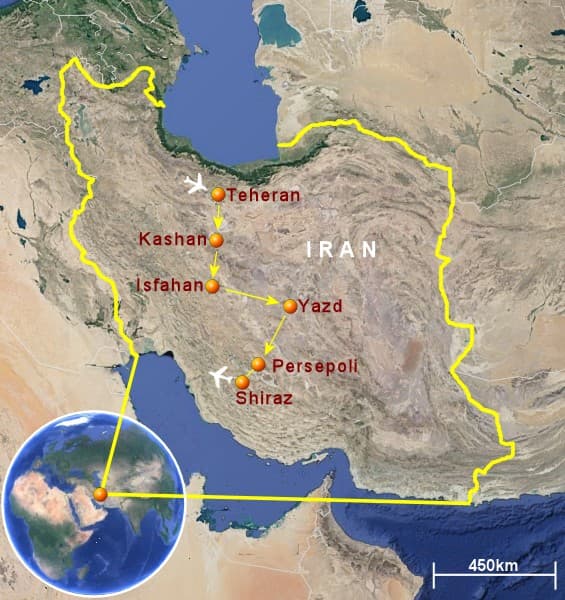
Iran is a large country located in Western Asia, covering an area of about 1.65 million square kilometers (around 636,000 square miles). It is divided into 31 provinces, each with its own unique identity, culture, and traditions.
The country boasts many famous cities such as Tehran (the capital), Isfahan, Shiraz, Tabriz, Yazd, and Mashhad. Each city reflects Iran’s rich cultural heritage through its architecture, cuisine, music, and traditional clothing.
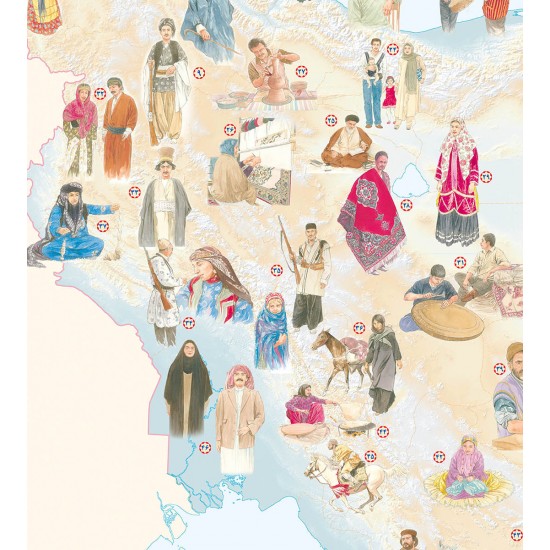
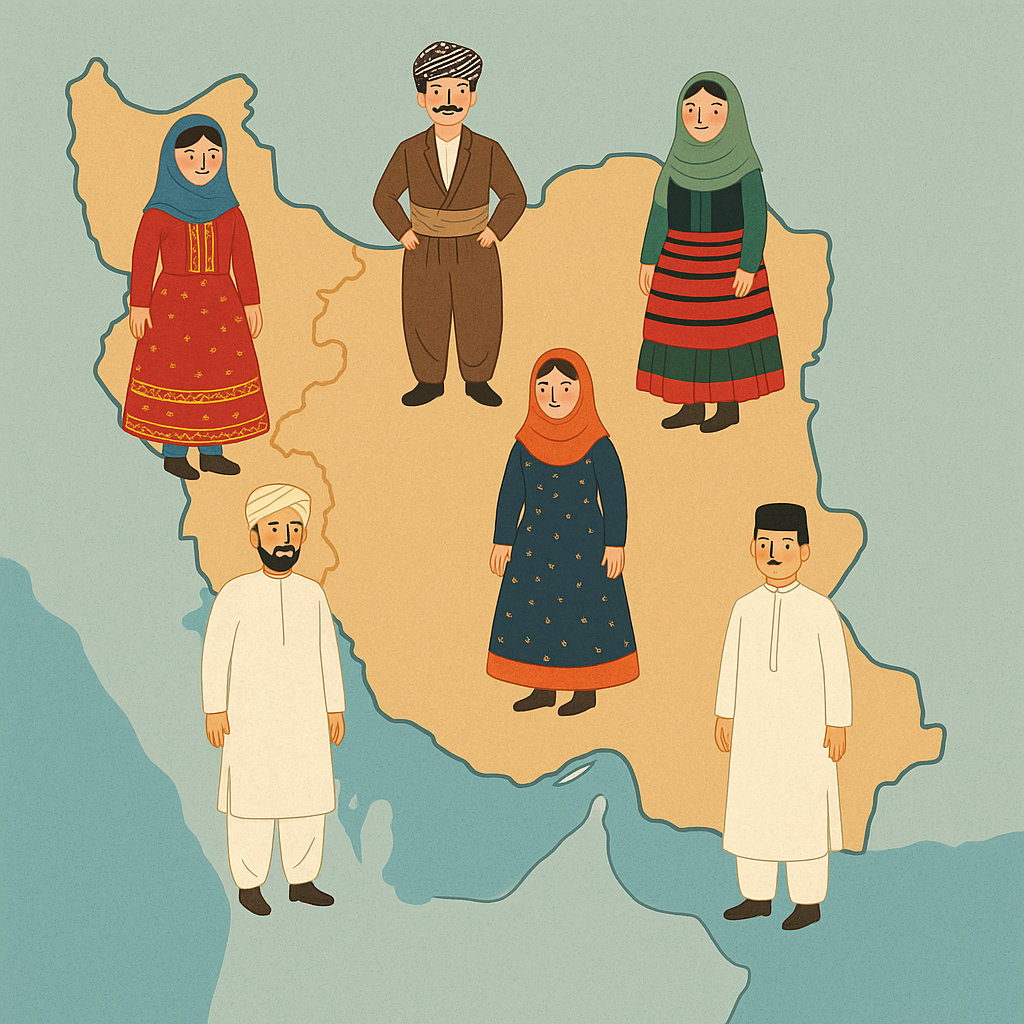
Iran is also home to a diverse population speaking several languages. The official language is Persian (Farsi), but many other languages are widely spoken, including Azerbaijani Turkish in the northwest, Kurdish in the west, Arabic in the southwest, Baluchi in the southeast, and Luri in the southwest. This linguistic variety highlights the country’s deep historical roots and ethnic diversity.
With its ancient history, vibrant culture, and varied landscapes, Iran remains a fascinating country where tradition and modernity coexist.
Sure! Here’s a simple table showing the four main directions in Persian (and their English meanings), plus some common regional terms used in Iran:
| Finglish | فارسی | English | Description / Example |
|---|---|---|---|
| Shomal | شمال | North | Northern Iran regions like Mazandaran, Gilan |
| Jonub | جنوب | South | Southern Iran regions like Bandar Abbas, Khuzestan |
| Sharq | شرق | East | Eastern Iran regions like Khorasan |
| Gharb | غرب | West | Western Iran regions like Kermanshah, Kurdistan |
| Markazi | مرکزی | Central | Central Iran, around Tehran, Isfahan |
| Shomal-e gharbi | شمال غربی | Northwest | Regions like West Azerbaijan, Ardabil |
| Shomal-e sharqi | شمال شرقی | Northeast | Regions like North Khorasan |
| Jonub-e gharbi | جنوب غربی | Southwest | Regions like Khuzestan, Bushehr |
| Jonub-e sharqi | جنوب شرقی | Southeast | Regions like Sistan and Baluchestan |
Divercity of languages:
| Province | Main Language(s) |
|---|---|
| Tehran | Persian (Farsi) |
| Isfahan | Persian (Farsi) |
| Fars (Shiraz) | Persian (Farsi) |
| East Azarbaijan | Azarbaijani (Azari) |
| Khorasan Razavi (Mashhad) | Persian (Farsi) & Kurdish |
| Yazd | Persian (Farsi) |
| Kerman | Persian (Farsi) |
| Khuzestan (Ahvaz) | Persian (Farsi) & Arabic |
| Kurdistan (Sanandaj) | Kurdish (Sorani) |
| Gilan (Rasht) | Gilaki |
| Hormozgan (Bandar Abbas) | Persian (Farsi) & Arabic |
Souvenir:
| Souvenir | Description | Region / Origin |
|---|---|---|
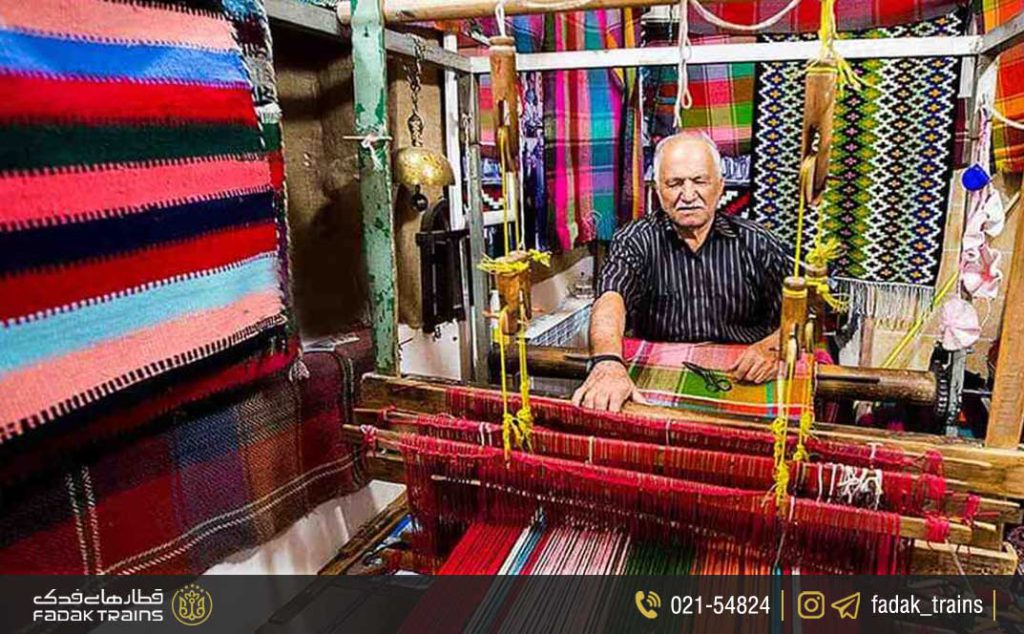
| Persian Carpet (Farsh) | Handwoven rugs with intricate designs and high quality | Tabriz, Isfahan, Kashan, Kerman |
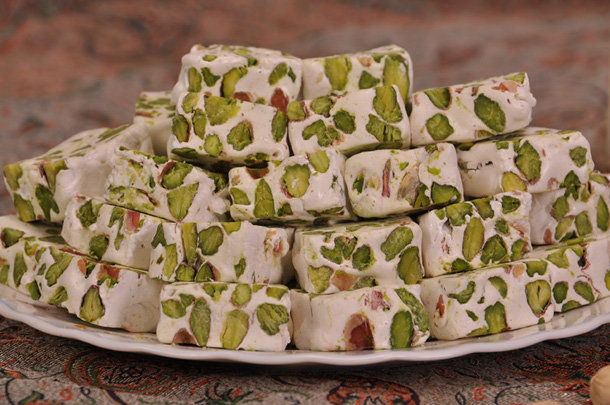
| Gaz | Nougat-like sweet with pistachios or almonds and rosewater | Isfahan |
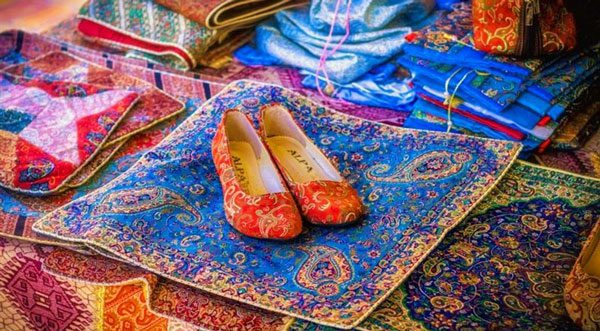
| Termeh Fabric | Luxurious handwoven silk and wool textile with patterns | Yazd, Isfahan |
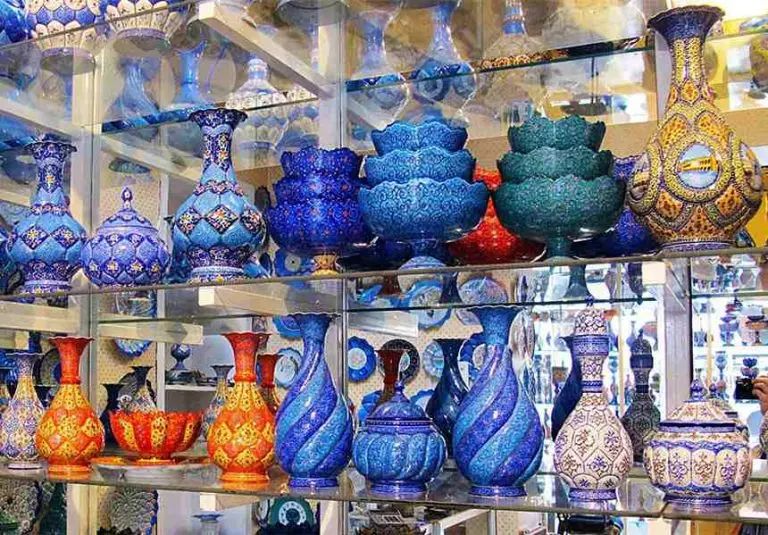
| Enamel Work (Minakari) | Colorful painted metalwork on copper or silver | Isfahan |
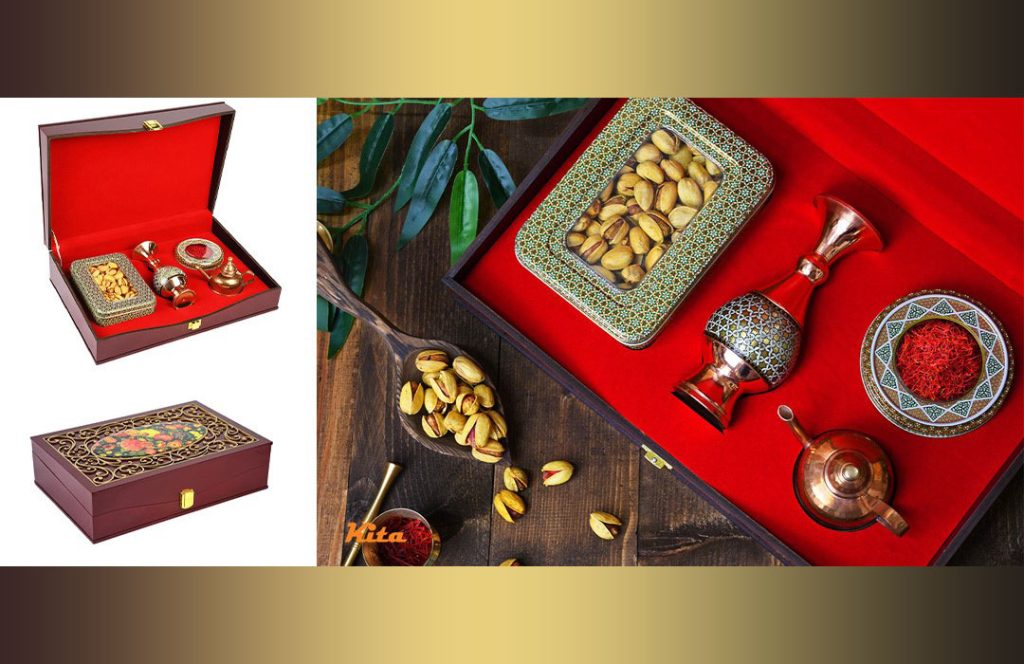
| Saffron | High-quality Persian saffron, known worldwide | Khorasan |
| Pistachios | Famous Iranian pistachios, known for flavor and size | Kerman, Rafsanjan |
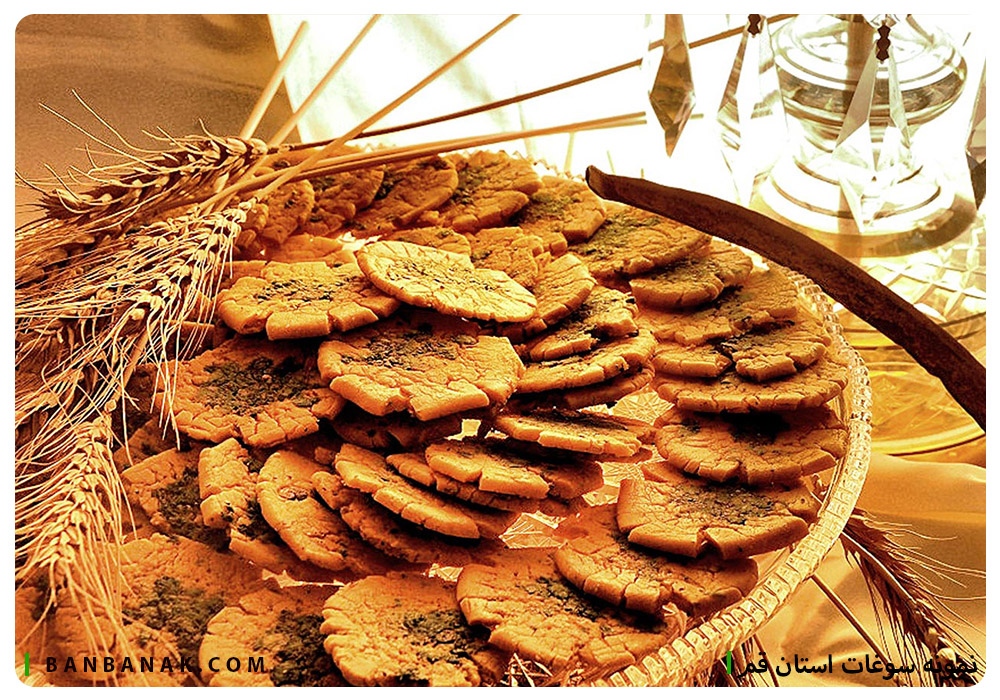
| Sohan | Saffron brittle toffee with nuts, especially pistachios | Qom |
| Rose Water (Golab) | Traditional aromatic rose water used in cooking & perfume | Kashan |
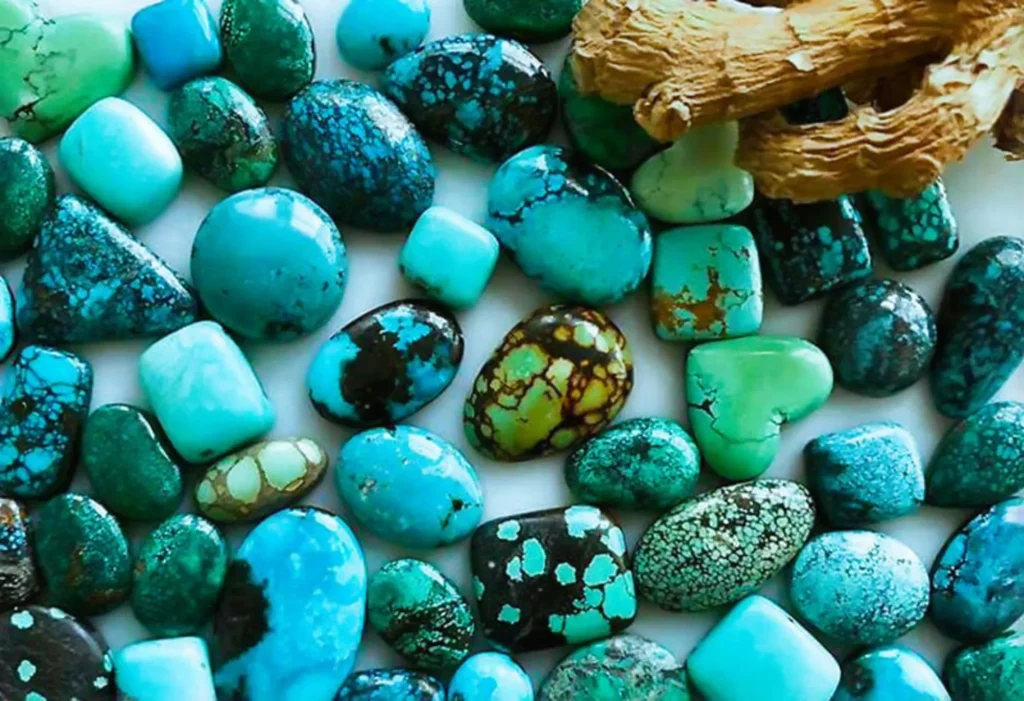
| Turquoise Jewelry | Jewelry made with Persian turquoise stones | Neyshabur |
| ……. |
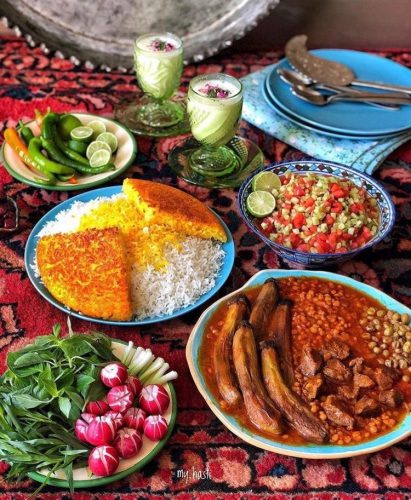
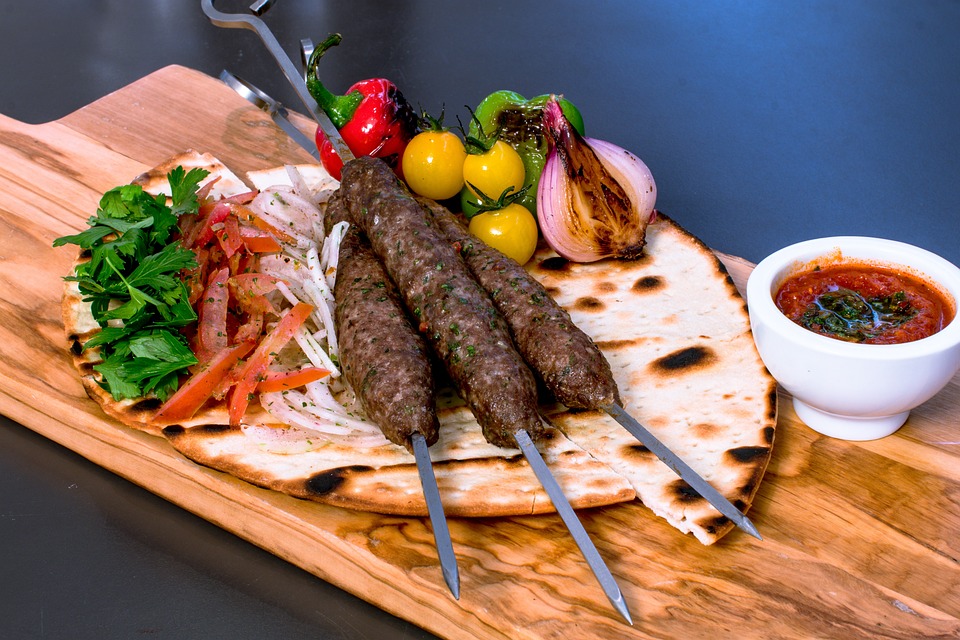
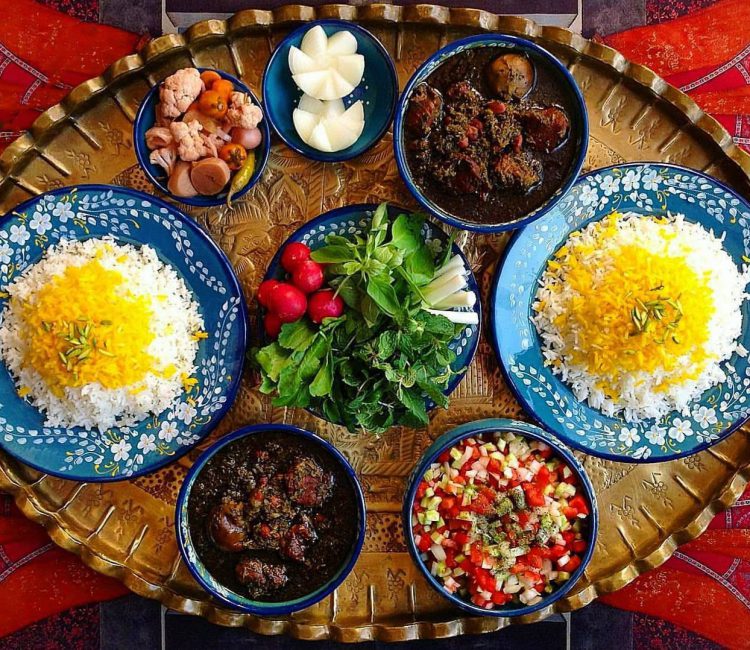
Some famous Iranian foods
| Food | Description | Region / Origin |
|---|---|---|
| Chelo Kabab | Grilled meat served with saffron rice | Nationwide |
| Ghormeh Sabzi | Herb stew with kidney beans and lamb | Nationwide |
| Fesenjan | Pomegranate and walnut stew | Northern Iran (Gilan) |
| Tahchin | Saffron rice cake with chicken or meat | Isfahan, Tehran |
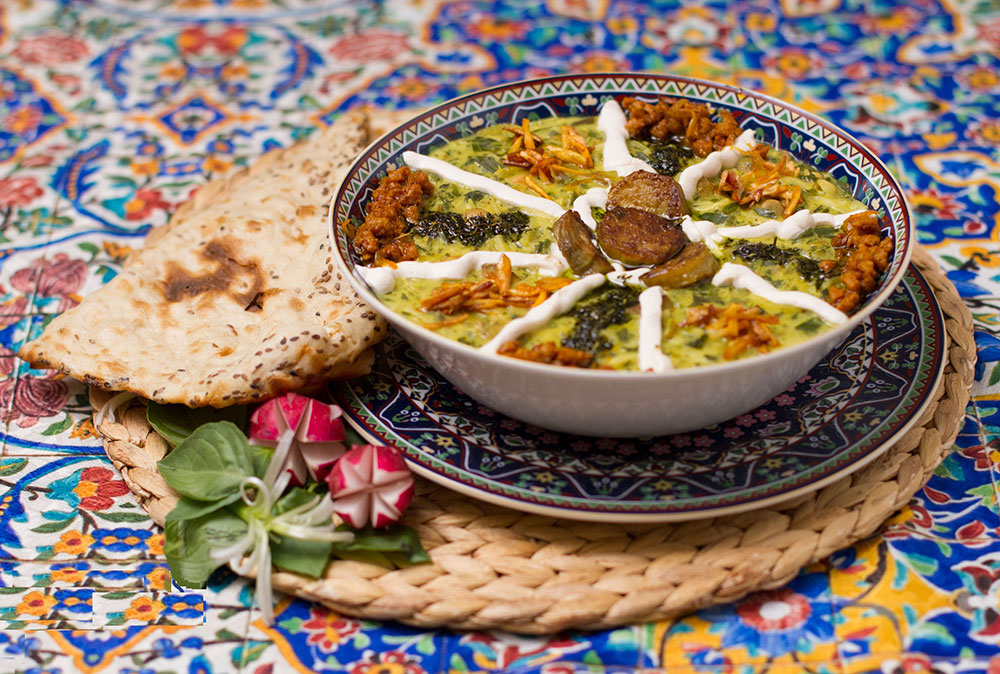
| Ash Reshteh | Thick noodle soup with herbs and beans | Nationwide |
| Zereshk Polo | Saffron rice with barberries | Mashhad, Northern Iran |
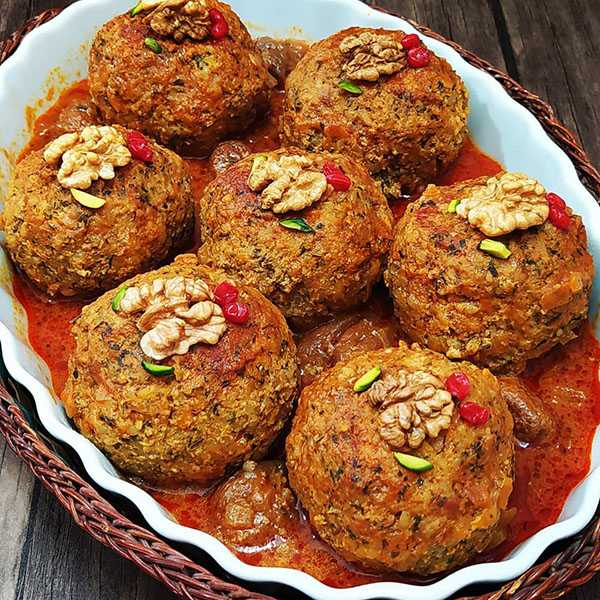
| Kufteh Tabrizi | Large meatballs stuffed with nuts and herbs | Tabriz |
| Dizi (Abgoosht) | Lamb and chickpea stew, served mashed | Nationwide |
| Gheymeh | Split pea and meat stew with fried potatoes | Nationwide |
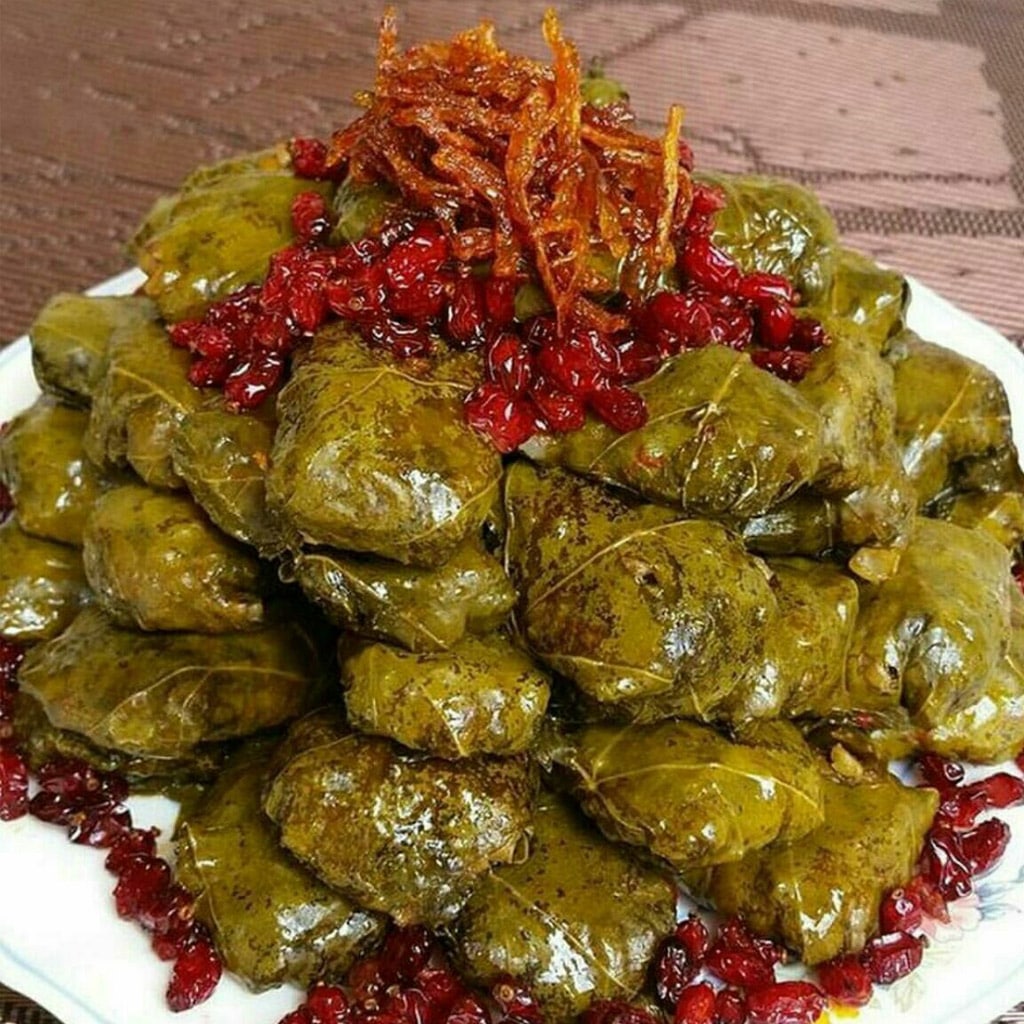
| Dolmeh | Stuffed vegetables (e.g., grape leaves, peppers) with rice, herbs, and meat | Azerbaijan, Tabriz |
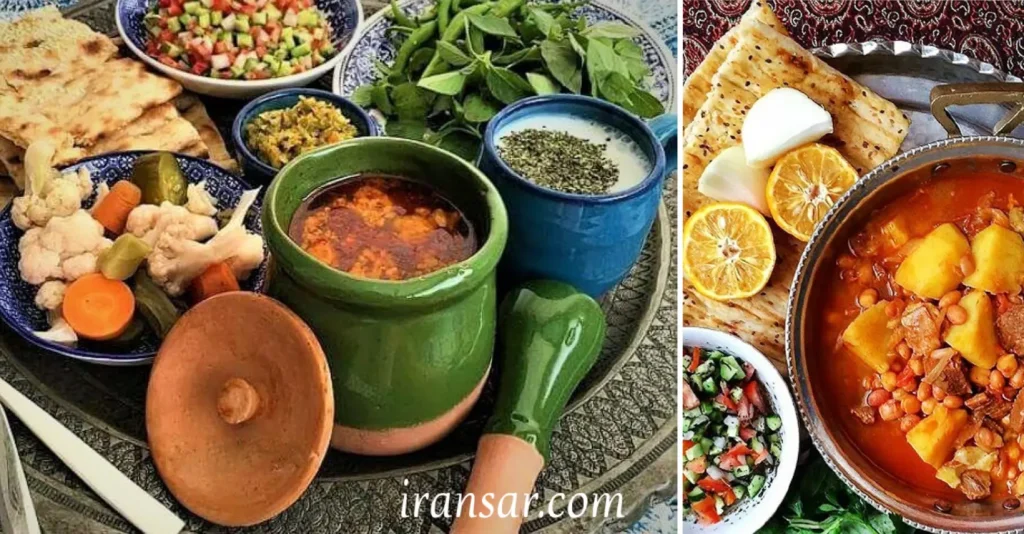
Some Famous Provinces:
1. Azarbayjan-e Sharghi
Azarbayjan-e Sharghi dar shomal-gharb-e Iran gharar darad va markaz-e an shahr-e tarikhi-ye Tabriz ast. Zabane asli-ye mardom inja Torki Azari ast ke az shakhe-ye zabanhaye Torki mibashad.
Farhang-e Azarbayjan-e Sharghi por az moosighi-ye sonati, raghsehaye mahalli, va sanaye’-e dasti manand farsh-e Tabriz ast. Ghaza-haye ma’rufi hamchon Kufteh Tabrizi, Ash-e Mast, va Dolmeh dar in mantaghe raij hastand.
2. Kordestan
Kordestan dar gharb-e Iran va dar del-e kuh-ha-ye Zagros gharar darad. Zaban-e mardom inja Kordi ast ke goyeshhaye mokhtalefi mesle Sorani va Kermanji darad.
Mardom-e Kord ba moosighi-ye asheganeh, dastan-saraii, va lebash-haye rangin-e mahalli mashhoorand. Ashpazi-ye Kordi ham ba ghaza-hayi mesle Dolmeh, Kebab-e Kordi, va Ash-e Doogh shenakht shodeh ast.
3. Fars
Ostan-e Fars dar jonoob-e Iran gharar darad va markaz-e an Shiraz ast. Zaban-e rasmi va melli-ye Iran, yani Farsi, az in mantaghe sar bar avardeh ast.
Shiraz shahr-e shoa’ra’i mesle Hafez va Saadi ast va bagh-ha-ye mashhoor, ghadimiat, va honar dar inja be ofogh mimanand. Ghaza-haye mashhoor mesle Kalam Polo Shirazi, Fesenjan, va Salad-e Shirazi be in ostan monhaser be fard ast.
4. Khoozestan
Khoozestan dar jonoob-gharb-e Iran va dar marz ba Iraq va Khalij-e Fars gharar darad. Zabanhaye Arabi, Lori, va Farsi dar inja ba ham mojudand.
Khoozestan khane-ye tamaddonhaye ghadimi manand Shoosh va Chogha Zanbil ast. Ghazaha-ye in mantaghe mesle Ghalieh Mahi, Mahi-ye Shoor, va Ash-e Arabi zehnekharosh va por adviyeh hastand.
5. Sistan va Baloochestan
In ostan dar jonoob-shargh-e Iran va dar marz ba Pakistan gharar darad. Zaban-e asli-ye inja Balochi ast. Mardom-e Balooch farhange nomadi va sonnatihaye ghadimi darand.
Lebas-haye mardom-e in mantaghe ba dookht-haye ziba va rang-ha-ye shad ma’roof ast. Moosighi-ye Balochi ba saz-ha’i mesle Qeychak va Tanbura gooshnavaz ast. Ghaza-hayi mesle Tanoorcheh, Tabahag, va Abgoosht-e Baloochi ra mitavan dar in mantaghe cheshid.
Zabane Farsi, nahl-e Vahdat
Ba hame-ye in tanavvo’, zabane Farsi nakh-e vahdat va ertebat dar Iran ast. In zaban rasmi va markazi ast ke mardom-e ba gharibatarin lahjeha mitavanand ba ham sohbat konand.
Adabiat-e Iran, ba asar-ha-ye Ferdowsi, Rumi, Hafez, va Saadi, ba in zaban neveshte shodeh ast va har Irani, ba har zabani ke dar khane sohbat mikonad, ba in asar-ha ertebat barqarar mikonad.
Sokhan-e Payani
Iran keshvari ast ba hazaran zaban, farhang, va lahje. Har bakhsh va ostan, tike-yi az pazzel-e hoviyyat-e melli ast. Az Azarbayjan ta Baloochestan, az Kordestan ta Fars, in sarzamin yek manteqeh nist — balke yek jame’e az tamaddon-ha ast.
Tanavvo’-ye zaban va farhang dar Iran, neshane-ye ghodrat-e hamzisti va ekhtelaf-ha’i ast ke dar nahayat be yek vahdat-e meli montahi mishavand.
English:
A Journey Across Iran’s Provinces: An Introduction to Bakhshha
Iran yek keshvare bozorg dar Gharb-e Asia ast ke masahash taqriban 1.65 million kilometer moraba (hodudan 636,000 mile moraba) mibashad. Iran be 31 ostan taghsim shode ke har ostan farhang, sonat va shenasnameh khod ra darad.
Shahrhaye mashhuri mesle Tehran (paytakht), Isfahan, Shiraz, Tabriz, Yazd, va Mashhad dar Iran vojood darand. Har shahr farhang-e ghani-ye Iran ra dar me’mari, ghaza, musiqi va lebasshon namayesh midahad.
Zabane rasmi Iran Farsi ast, ama zabanhaye digari ham hamchenan goshi mishavad, mesle Azerbaijani Turkish dar shomal gharb, Kurdish dar gharb, Arabi dar jonoub gharb, Baluchi dar jonoub shargh va Lori dar jonoub gharb. In tanafos dar zabanhaye mardom neshan dahande-e sabeghe-ye tarikhi va gune gonagi-ye etniki-ye Iran ast.
Ba tarikhe qadim, farhange por rang va manazere motafavet, Iran yek keshvare jaleb ast ke sonnatha va moderni ba ham zendegi mikonand.
1. Azarbayejān-e Sharqi (Eastern Azerbaijan)
The province of Eastern Azerbaijan is located in the northwest of Iran, a region known for its historical significance as part of the ancient land of Media and its proximity to the Caucasus region. The language spoken here is primarily Azerbaijani, a Turkic language with many shared linguistic traits with Turkish. Eastern Azerbaijan is rich in folk traditions, including music, dance, and handicrafts, with the famous Tabriz carpet being a testament to the province’s history of craftsmanship.
One of the region’s unique cultural aspects is its cuisine. Dishes such as kebabs, ghormeh sabzi, and the iconic dushbara (a small dumpling soup) are just a few examples of the gastronomic wealth of the province. The Azari people, whose language and traditions remain firmly rooted in the region, maintain a close connection to their neighbors across the border in Azerbaijan, blending the cultures and ideas of both nations.
2. Kurdistan
Nestled in the west of Iran, Kurdistan is a province that embraces rugged mountains, deep valleys, and a history of resilience. The primary language of the region is Kurdish, with dialects varying across different parts of the province. The Kurds of Iran are famous for their rich oral traditions, storytelling, and songs that reflect both the pain and joy of their long history.
Kurdish is a member of the Indo-Iranian branch of the Indo-European language family, and its dialects are as diverse as the landscapes that define the Kurdish heartland. One such dialect, Kurmanji, is spoken in the northern parts of the province, while Sorani is more common in the southern regions. Kurdish music, known for its poetic melodies and use of instruments like the santur and dohol, creates an emotional bond between the people and their land.
The cuisine of Kurdistan features earthy, flavorful dishes, such as kebab, dolma (stuffed grape leaves), and ash reshteh (a noodle soup with vegetables). Kurdish hospitality is famous, and every guest is treated like family.
3. Fars
In the southern heartland of Iran lies Fars, the birthplace of the Persian language and the ancient home of the Persian Empire. This province is a cultural treasure trove, steeped in centuries of Persian history. Shiraz, the capital city, is renowned for its ancient ruins, its association with the poets Hafez and Saadi, and the mystical gardens that symbolize the Persian love of beauty and nature.
The language spoken here is Farsi, the standardized version of Persian, which unites the people of Iran, Afghanistan, and Tajikistan. While Farsi is the national language, the people of Fars speak it with a distinct regional accent. The cultural and linguistic importance of Fars cannot be overstated, as it has long been the epicenter of Persian art, poetry, and philosophy.
The province is also famous for its food, with kebab, khoresht fesenjan (a rich stew made with pomegranate and walnut), and shirazi salad (a refreshing cucumber and tomato salad) offering a taste of the rich culinary traditions that have developed over thousands of years.
4. Khuzestan
In the southwestern corner of Iran, bordered by Iraq and the Persian Gulf, lies Khuzestan—a province that represents the crossroads of Persian, Arab, and various other ethnic groups. The Arabic language is widely spoken in Khuzestan, alongside Farsi and Luri, a language of the Lur people who are indigenous to the region.
Khuzestan has been the site of numerous civilizations, and the ruins of Susa and Chogha Zanbil are important archaeological sites from the ancient Elamite period. The region’s history is marked by a unique blend of Arab and Persian cultures, visible in everything from the music to the architecture.
Khuzestan is also known for its oil wealth, a crucial part of Iran’s economy. The food here blends Persian and Arab influences, with dishes like kebab made from lamb, saffron rice, and a variety of spicy stews.
5. Sistan and Baluchestan
Southeast of Iran, along the border with Pakistan, lies Sistan and Baluchestan, a province that is home to the Baluchi people. The Baluchi language, a member of the Indo-Iranian family, is spoken widely here, and it is a testament to the nomadic and tribal traditions of the region. The Baluchi people are known for their hospitality, and their distinctive dress, particularly the bright-colored headscarves and chadors, is a vibrant display of their cultural identity.
The province is sparsely populated but rich in natural beauty, with rugged mountains and vast deserts. It is a land where old traditions of herding, fishing, and farming still prevail, and the Baluchi music, with its rhythms and unique instruments, tells stories of migration and survival in the harsh, dry landscapes.
The Unifying Thread: The Persian Language
Despite the vast diversity of languages spoken across Iran’s provinces, the Persian language (Farsi) serves as a unifying thread that binds the country together. As the official language, it is the language of administration, education, and media. While local dialects and languages remain vital to regional identity, Persian’s role as a cultural and literary language is unrivaled. The works of Persian poets, from Rumi to Hafez, transcend regional boundaries, speaking to the collective heart of the Iranian people.
Conclusion: Iran’s Cultural Tapestry
The story of Iran’s provinces, districts, languages, and cultures is one of vast complexity and profound beauty. Each Bakhsh and Ostān contributes its own unique colors to the grand cultural tapestry of Iran. The languages, whether Azerbaijani, Kurdish, Farsi, Arabic, or Baluchi, each tell the stories of their people and reflect the diverse history and traditions of the land. The strength of Iran lies not in its uniformity but in its diversity, where different cultures coexist, each adding a layer to the collective identity of the nation.
In every corner of Iran, there is a story to be told—a story of resilience, of beauty, of struggle, and of celebration. From the rolling hills of Kurdistan to the deserts of Sistan and Baluchestan, from the ancient ruins of Fars to the bustling bazaars of Tehran, Iran’s cultural landscape is a living testament to its long and varied history, a mosaic woven together by language, culture, and tradition.