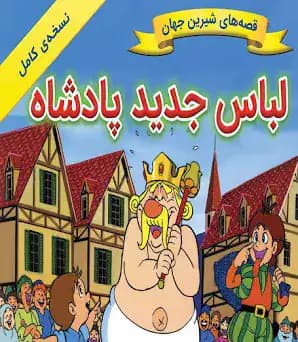

فارسی
روزی روزگاری پادشاهی بود که خیلی به لباسهایش اهمیت میداد. او همیشه لباسهای گرانقیمت و زیبا میپوشید و بیشتر وقتش را صرف انتخاب لباس میکرد.
یک روز دو مرد شیاد به شهر آمدند. آنها به پادشاه گفتند که میتوانند پارچهای جادویی ببافند که فقط افراد باهوش و شایسته قادر به دیدن آن هستند. افراد نادان یا بیلیاقت نمیتوانستند آن پارچه را ببینند.
پادشاه از این ایده خوشش آمد و پول زیادی به آنها داد. شیادان وانمود کردند که مشغول بافتن پارچه هستند، اما در واقع هیچ چیزی نمیبافتند.
پادشاه چند نفر از وزیرانش را فرستاد تا کار را بررسی کنند. چون چیزی وجود نداشت، وزیران چیزی ندیدند؛ اما از ترس اینکه نادان به نظر برسند، وانمود کردند که پارچه را میبینند و آن را تحسین کردند.
سرانجام پادشاه هم برای دیدن لباس رفت. او نیز چیزی ندید، اما از ترس اینکه بیلیاقت به نظر برسد، تظاهر کرد که لباس را میبیند.
روز رژه فرا رسید. پادشاه لباس نامرئی را پوشید و در خیابانها راه افتاد. همه مردم از ترس قضاوت شدن، وانمود میکردند که لباس او را میبینند.
ناگهان کودکی فریاد زد:
«اما پادشاه که هیچ لباسی نپوشیده!»
مردم کمکم حقیقت را پذیرفتند و زمزمه کردند که کودک راست میگوید. پادشاه فهمید که فریب خورده است، اما با وجود شرمندگی، به راه خود ادامه داد.
پیام داستان: گاهی مردم از ترس قضاوت شدن، حقیقت را نمیگویند.
English
Once upon a time, there was an emperor who loved beautiful clothes more than anything else. He spent most of his time thinking about what to wear.
One day, two swindlers arrived in the city. They claimed they could make a magical cloth that was invisible to anyone who was foolish or unfit for their position.
The emperor was fascinated and paid them a large amount of money. The swindlers pretended to weave the cloth, but in reality, they made nothing at all.
The emperor sent his ministers to inspect the work. Since there was no cloth, they saw nothing. However, they were afraid of being considered foolish, so they pretended to admire the fabric.
Eventually, the emperor himself went to see it. He also saw nothing, but he did not want others to think he was unfit, so he praised the invisible cloth.
On the day of the grand parade, the emperor wore the “new clothes” and walked through the streets. Everyone pretended to admire the outfit because they were afraid of appearing foolish.
Suddenly, a child shouted:
“But the emperor isn’t wearing any clothes!”
The crowd slowly realized the truth and began whispering the same thing. The emperor understood that he had been deceived, but he continued the parade despite his embarrassment.
Moral: People sometimes hide the truth because they fear judgment.
Finglish
Roozi roozegari, padeshahi bood ke kheili be lebas-haye ziba alaghe dasht. Bishtar-e vaghtash ra sarf-e entekhab-e lebas mikard.
Yek rooz do mard-e shayyad be shahr amadand. Anha goftand mitavanand parche-i jadouyi bebafand ke faghat afrad-e bahoosh va shayeste mitavanand an ra bebinand.
Padeshah az in fekr khoshesh amad va pul-e ziyadi be anha dad. Shayyadan vanemood kardand ke dar hal-e baftan-e parche hastand, amma dar vaghe hich chizi nemibaaftand.
Padeshah chand vazir ra ferestad ta kar ra barrasi konand. Vaziran hich chizi nadidand, amma az tars-e inke nadan be nazar beresand, tazahor kardand ke parche ra mibinand.
Dar nahayat, khod-e padeshah ham raft ta lebas ra bebinad. Oo ham hich chizi nadid, amma az tars-e aberoo tazahor kard ke lebas ra mibinad.
Roouz-e rezhe resid. Padeshah lebas-e namarei ra pooshid va dar khiaban-ha rah oftad. Hameye mardom tazahor mikardand ke lebas ra mibinand.
Nagahan yek kudak faryad zad:
“Ama padeshah ke hich lebasi napooshide!”
Mardom kam-kam haghighat ra paziroftand. Padeshah fahmid ke farib khorde ast, amma ba vojood-e sharmandegi be rah-e khod edame dad.
Payam-e dastan: Gahi mardom az tars-e ghazavat shodan, haghighat ra nemigouyand.
| English | Finglish | فارسی |
|---|---|---|
| Emperor | Padeshah | پادشاه |
| Clothes | Lebas | لباس |
| New clothes | Lebas-e jadid | لباس جدید |
| Tailor | Khayyat | خیاط |
| Swindler | Shayyad | شیاد |
| Cloth | Parche | پارچه |
| Neked | lokht | لخت |
| Magical | Jadouyi | جادویی |
| Invisible | Namarei / Nadiidani | نامرئی |
| Wise | Bahoosh | باهوش |
| Foolish | Nadan | نادان |
| Minister | Vazir | وزیر |
| Kingdom | Saltanat | پادشاهی |
| City | Shahr | شهر |
| Gold | Tala | طلا |
| Money | Pul | پول |
| knitting | Bebaafad | ببافد |
| Parade | Raje | رژه |
| Crowd | Jamiat | جمعیت |
| Child | Kudak | کودک |
| Truth | Haghighat | حقیقت |
| Lie | Doroogh | دروغ |
| Pretend | Tazahor kardan | تظاهر کردن |
| Admire | Tahsin kardan | تحسین کردن |
| See | Didan | دیدن |
| Believe | Bavar kardan | باور کردن |
| Shout | Faryad zadan | فریاد زدن |
| Embarrassed | Sharmandeh | شرمنده |
| Afraid | Tarsideh | ترسیده |
| Honest | Sadegh | صادق |
| Deceived | Farib khordeh | فریب خورده |
| People | Mardom | مردم |
| Story | Dastan | داستان |
| Moral | Payam-e dastan | پیام داستان |
| Judgment | Ghazavat | قضاوت |
| Courage | Shojaat | شجاعت |
| Grand parade | Raje-ye bozorg | رژه بزرگ |
| Expensive | Geran-gheymat | گرانقیمت |
| Beautiful | Ziba | زیبا |
| Everyone | Hameh | همه |
| Nobody | Hichkas | هیچکس |
| Finally | Dar nahayat | در نهایت |
| Suddenly | Nagahan | ناگهان |
Question:
- Who was the emperor?
Padeshah che kasi bood?
Answer: He was a king who loved beautiful clothes.
Javab: Oo padeshahi bood ke lebas-haye ziba ra dust dasht. - Who came to the city one day?
Yek rooz che kasani be shahr amadand?
Answer: Two swindlers came to the city.
Javab: Do shayyad be shahr amadand. - What did the swindlers promise to make?
Shayyadan ghol dadand che chizi besazand?
Answer: They promised to make a magical cloth.
Javab: Anha ghol dadand yek parche-ye jadouyi besazand. - Who told the truth?
Che kasi haghighat ra goft?
Answer: A child told the truth.
Javab: Yek kudak haghighat ra goft. - What is the moral of the story?
Payam-e dastan chist?
Answer: Always tell the truth and think for yourself.
Javab: Hamishe haghighat ra begu va khodet fekr kon.